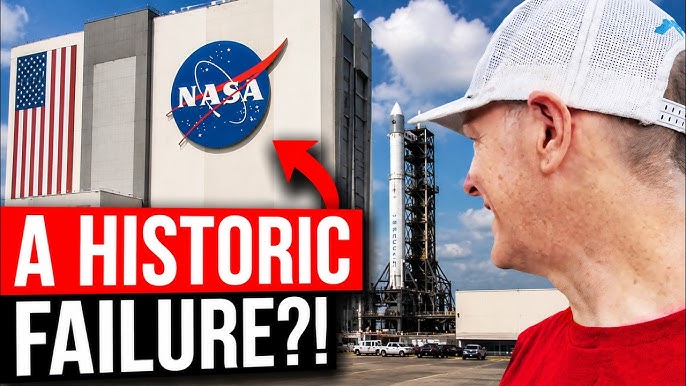
Amazon's Inevitable Enshitification...
Amazon's customer obsession was always going to curdle—not because of mismanagement, but because the unit economics of online retail mathematically forbid sustaining a loss-leader marketplace at scale. The company that built the world's most efficient distribution network is now extracting value from every stakeholder simultaneously because its core retail operation barely turns a profit even with petabytes of data and captive Prime subscribers.
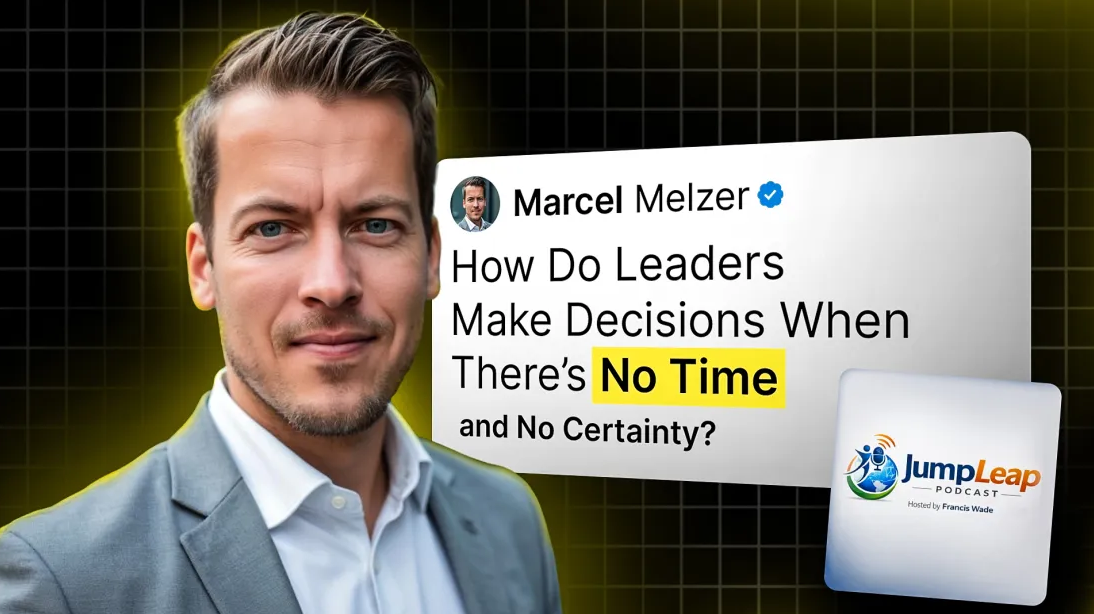
Ep 34 - How Do Leaders Make Decisions When There's No Time and No Certainty?
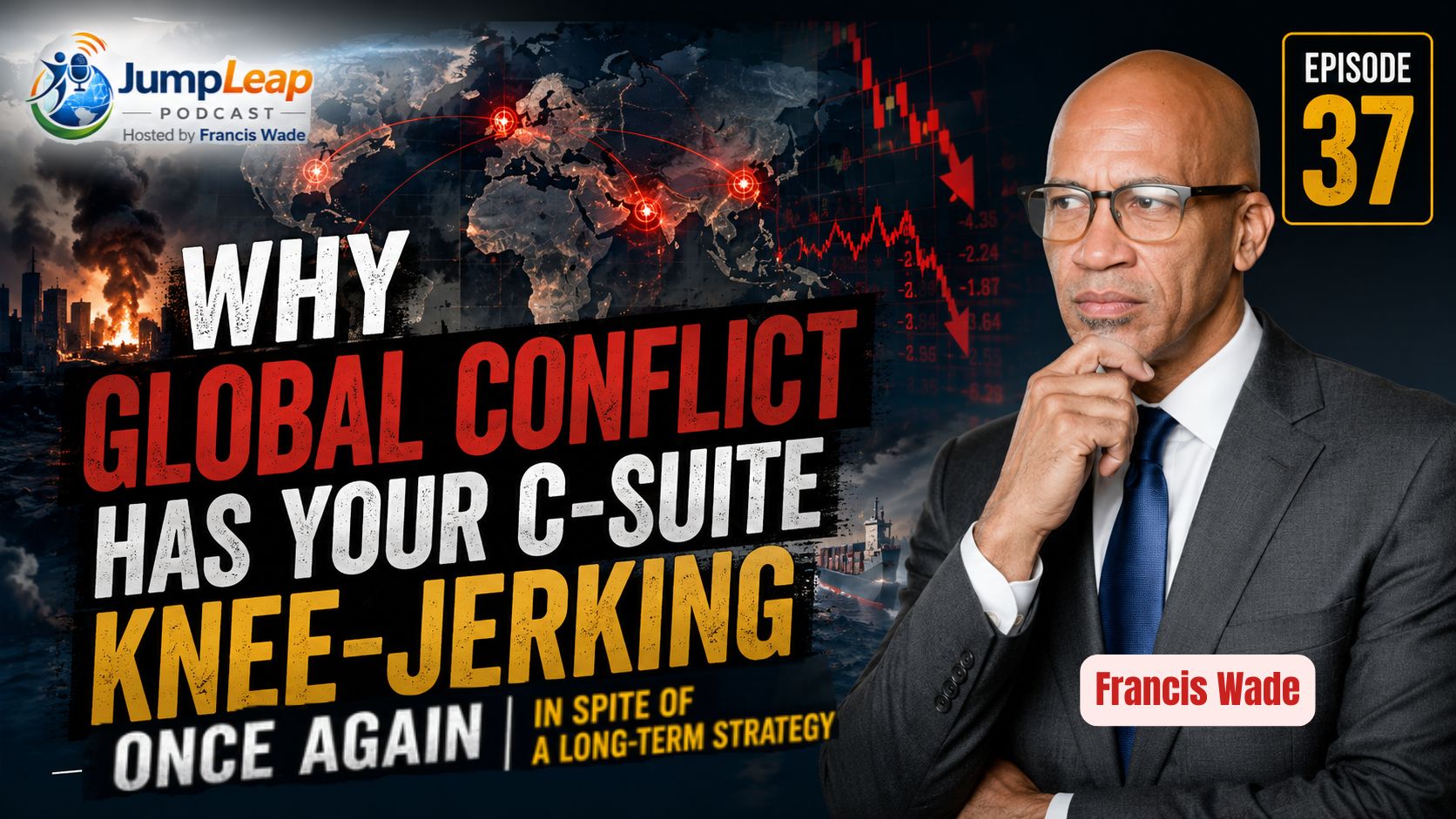
Your company is bleeding. The tariff just hit. Your board wants answers. You have 48 hours. But sometimes the brutal truth is that the warning signs were there 20-years ago.
Chipotle — How $15 Bowls Bankrupt a $50B Dream
Chipotle's unraveling reveals a governance flaw obscured during ascendance: tying a 770% stock run to one executive's vision creates concentration risk indistinguishable from structural strength until the executive departs. When Brian Niccol left for Starbucks in August 2024, the stock dropped 10% immediately—and 18 months later, a third of market cap had evaporated to roughly $51B.
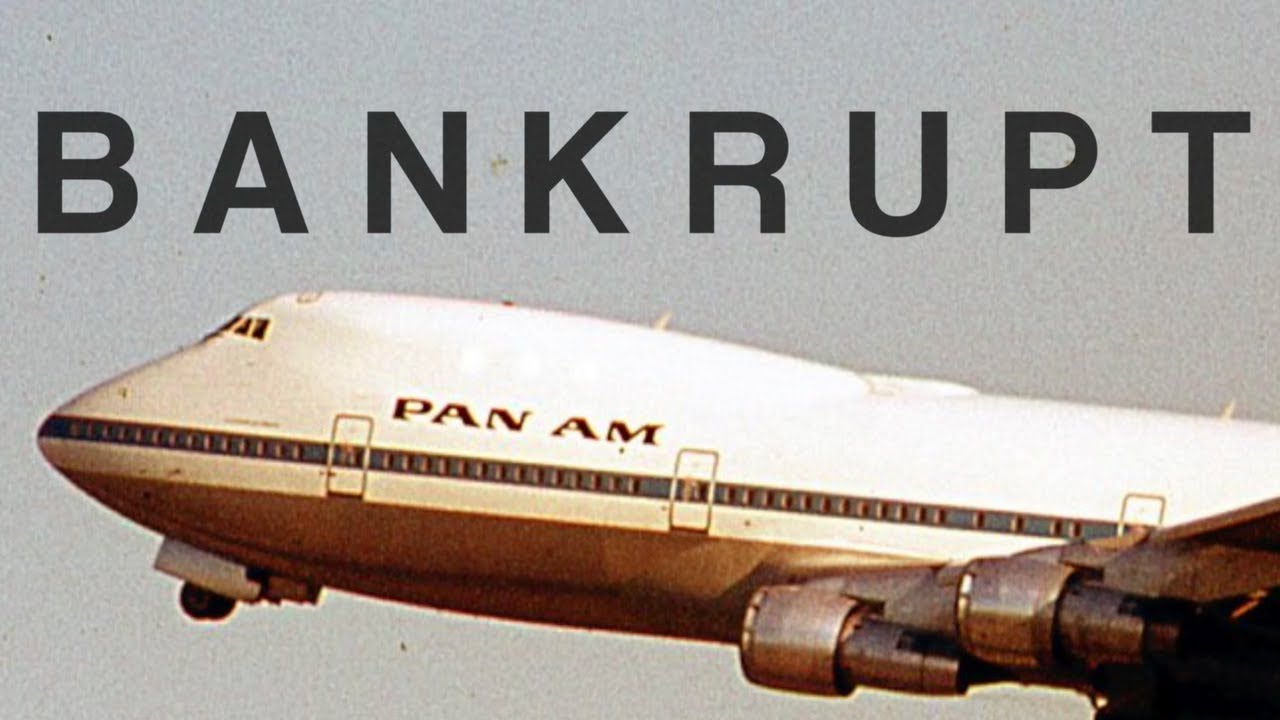
Bankrupt - Pan Am
Pan Am's collapse offers a counterintuitive lesson: pioneering an industry creates structural vulnerabilities invisible during prosperity. The world's first scheduled international airline, the launch customer for the Boeing 747, and the brand that defined global aviation went bankrupt not because it innovated too little—but because every strategic asset became a liability when conditions inverted.
The 5-Level Strategic Fluency Ladder
Most professionals plateau at strategic mediocrity without realizing it. Francis Wade reveals the five-level Strategic Fluency Ladder that separates executives who merely use strategy vocabulary from those who genuinely think strategically.
Ep 26 - Seth Godin - Stuck in Stale Strategy? Seeing Systems Which Hold You Back
Seth Excerpt
Comeback Stories
How Domino's (Secretly) Became a Tech Company
Strategy: How Disney Leveraged Adults' Nostalgia
David vs. Goliath
Fresh Ideas
Big Mistakes
When Being Better Isn’t Enough...The Fall Of Slack
Zoom — From $160 Billion Pandemic Hero to 90% Stock Collapse
How Just One Man Destroyed Eastern Airlines In 1989
Winners vs. The Rest
MBA Refresh
Caribbean
Latest Movies
How Just One Man Destroyed Eastern Airlines In 1989
Zoom — From $160 Billion Pandemic Hero to 90% Stock Collapse
Britain Could Afford to Lose Every War. Here's Why
The Worst Business Decisions Ever Explained Like You're 5
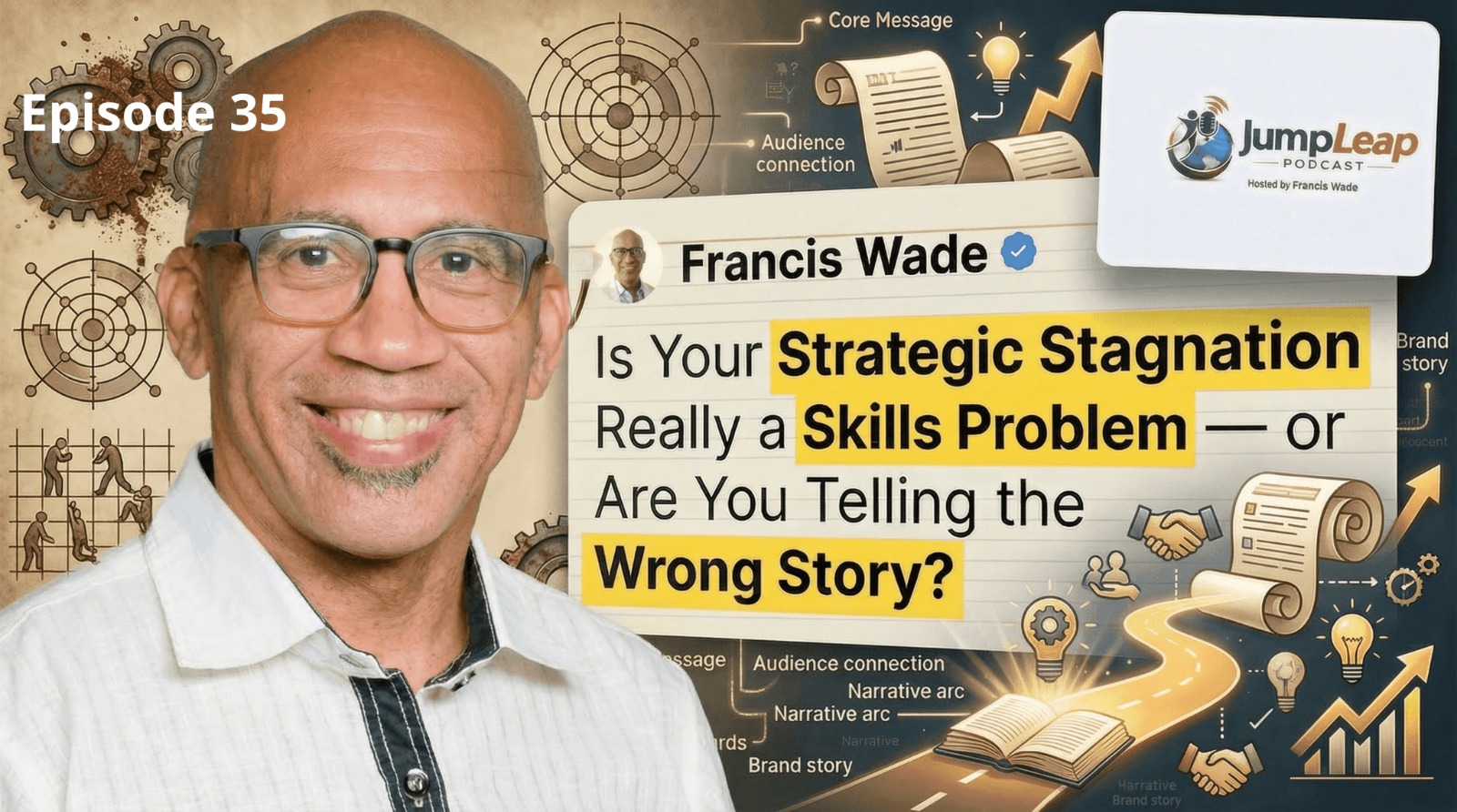
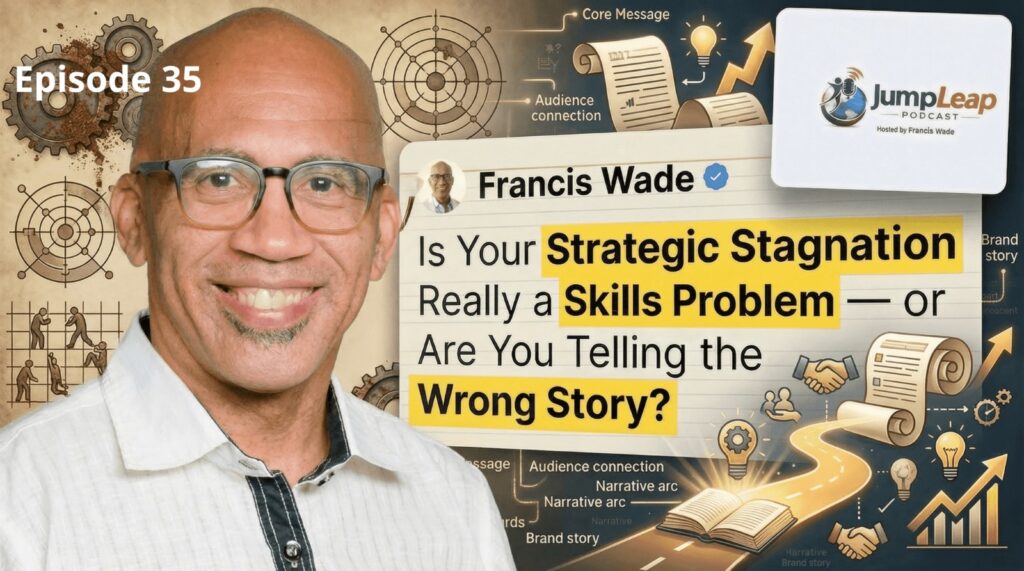
Ep 35 - Your Strategic Stagnation Isn't a Framework Problem—It's a Story Problem
Bankrupt - Pan Am
Pan Am's collapse offers a counterintuitive lesson: pioneering an industry creates structural vulnerabilities invisible during prosperity. The world's first scheduled international airline, the launch customer for the Boeing 747, and the brand that defined global aviation went bankrupt not because it innovated too little—but because every strategic asset became a liability when conditions inverted.
Three compounding mechanisms destroyed Pan Am. First, route concentration: lacking domestic feeder networks while competitors built balanced portfolios, Pan Am had no buffer when international demand softened. Second, fleet mismatch: 1973 oil shock quadrupled jet fuel costs precisely when Pan Am's four-engine 747s flew half-empty—operating losses hit $364M. Third, asset depletion as strategy: selling the Manhattan headquarters for $400M, Intercontinental Hotels, and the entire Pacific Division to United for $750M generated liquidity while eliminating future cash flows. Lockerbie added reputational collapse to financial distress.
The implication: monoline dominance is fragility disguised as strength—diversification of routes, aircraft mix, and revenue streams matters most when survival is not yet in question.
Timestamps:
00:01:18 First scheduled international flight (Key West to Havana, 1927) gave Pan Am unmatched route monopolies—and the absence of domestic networks competitors built.
00:06:39 1973 oil crisis quadrupled jet fuel costs while Pan Am's 747-heavy fleet flew half-empty—international-only exposure became structural vulnerability.
00:08:49 Pan Am sold Manhattan HQ for $400M, Intercontinental Hotels, then Pacific Division to United for $750M—liquidity from amputating future cash flows.
00:10:24 Lockerbie 1988: FAA charged 19 security failures, families sought $300M—reputational collapse compounded balance-sheet distress at exactly the wrong moment.
00:13:12 Gulf War 1990 collapsed transatlantic demand precisely when Pan Am had concentrated there—losing $3M daily, bankruptcy filing followed within months.
Amazon's Inevitable Enshitification...
Amazon's customer obsession was always going to curdle—not because of mismanagement, but because the unit economics of online retail mathematically forbid sustaining a loss-leader marketplace at scale. The company that built the world's most efficient distribution network is now extracting value from every stakeholder simultaneously because its core retail operation barely turns a profit even with petabytes of data and captive Prime subscribers.
Four mechanisms drive the decay. Advertising bloat: $60B in 2024 ad revenue now exceeds Prime subscription income—Bezos himself wrote that ad revenue eclipsed losses from degraded shopping experience. AI capex: $70B annually on rapidly depreciating Nvidia chips, betting automation will rescue retail margins. Labor exhaustion: 150% warehouse turnover means Amazon replaces its million-person workforce every nine months. Third-party seller revolt: counterfeit commingling and 5-15% return rates push fraud losses onto suppliers while Amazon holds negative working capital float.
The implication: businesses optimized for scale and convenience inevitably monetize the user once expansion plateaus—customer obsession was a phase, not a principle.
Timestamps:
00:02:48 Amazon Prime Day 2024 sales grew only 4.9% despite doubling duration—retail saturation hidden behind service-bundle marketing language.
00:03:46 Advertising revenue ($60B) now exceeds Prime subscriptions—Bezos memo: ad revenue eclipsed losses from degraded consumer shopping experience.
00:08:31 Amazon's $70B annual AI capex buys rapidly depreciating GPUs—unlike real estate, these assets won't hold value in ten years.
00:10:54 Warehouse turnover at 150% means Amazon replaces its million-person workforce every nine months—a decade exhausts available US labor.
00:14:06 Amazon destroys billions in returned merchandise charged to third-party sellers—5-15% return rates nearly double brick-and-mortar fraud exposure.
When Being Better Isn’t Enough...The Fall Of Slack
Slack's defeat by Microsoft Teams demonstrates a counterintuitive principle: superior product quality cannot overcome inferior distribution economics. Slack invented business messaging, achieved a $1.1B valuation in eight months without an outbound sales team, and grew via pure word-of-mouth—yet Teams captured 37% market share to Slack's 13% by bundling rather than competing.
The mechanism was bottom-up product-led growth meeting top-down enterprise procurement. Slack sold to middle managers who could expense $25 subscriptions; Microsoft sold to CIOs evaluating PCI-DSS, HIPAA, and EU Model Clause compliance—security requirements Slack lacked. Then Teams added video conferencing, PSTN integration, and crucially, force-installation in every Office 365 subscription. Teams added 31M daily users in a single month in 2020 versus Slack's 12M total. Salesforce's $27.7B acquisition couldn't reverse the trajectory: Butterfield exited after contractual obligations expired, Salesforce stock fell 8.3%, and EU remedies arrived years after damage was done.
The implication: distribution monopolies trump feature parity—antitrust enforcement that lags market dynamics functionally legalizes the strategy.
Timestamps:
00:02:53 Slack reached $1.1B valuation in 8 months without an outbound sales team—pure product-led growth that became its strategic vulnerability.
00:03:29 Slack sold to mid-level managers expensing $25 subscriptions—Microsoft sold to CIOs evaluating compliance, capturing the enterprise procurement decision.
00:09:42 Teams matched Slack's features but added HIPAA, PCI-DSS compliance—security requirements made it the only viable option for regulated industries.
00:10:10 Teams added 31M daily users in one month in 2020 versus Slack's 12M total—bundling with Office 365 bypassed product competition entirely.
00:15:54 EU ruled Teams must stay unbundled for 7 years—but issued no fine, validating the strategy of breaking rules then quietly abiding.
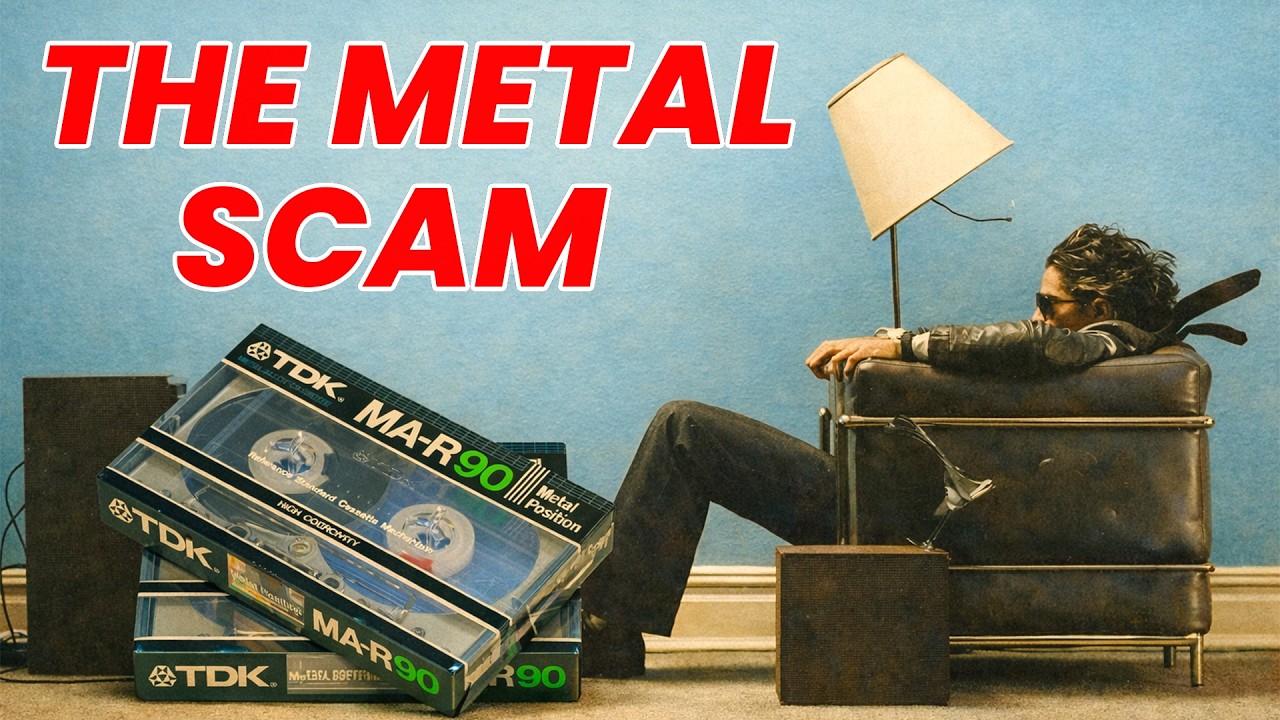
The RUTHLESS 1980s Cassette Wars That FOOLED America (And Vanished)
The cassette wars reveal a strategic lesson buried under nostalgia: consumer technology categories are won by emotional positioning, then killed by the architects of their success. TDK, Maxell, and Memorex didn't compete on tape chemistry—they sold identity. Sony, the company that made cassettes a lifestyle via the 1979 Walkman, simultaneously engineered their successor.
Three mechanisms drove the cycle. Premium-tier deception: Type IV metal tapes commanded $8-10 per cassette despite requiring bias circuits absent from most consumer playback equipment—boom boxes wore "Metal" logos for marketing while the tape physically damaged underpowered heads. Emotional brand warfare: Memorex's "Is it live or is it Memorex?" ran for a decade; Maxell's blown-back-listener image, shot using a substitute makeup artist, became the decade's iconic ad. Strategic cannibalization: Sony launched the CDP-101 in 1982, sold 400,000 CD players by 1984, and overtook cassettes by 1992.
The implication: incumbents who delay self-disruption forfeit the second-generation category—Sony understood this, the tape specialists did not.
Timestamps:
00:02:00 Sony Walkman expected 5,000 units monthly, sold 30,000 in first two months—lifestyle product, not audio device, redefined the category.
00:04:31 Type IV metal tapes commanded $8-10 each but required bias circuits absent from most playback equipment—premium pricing for inaccessible performance.
00:05:47 Metal tapes physically degraded cheap tape heads while sounding worse than Type II chrome—category-defining product marketed against its own use case.
00:07:42 Sony sold 400,000 CD players in US between 1983-1984 at $1,000+ each—cannibalizing cassettes while still profiting from the Walkman.
00:08:35 TDK exited recording media for $300M to Imation in 2007; Memorex declared bankruptcy 1996—category leaders rarely survive category transitions.
Britain Could Afford to Lose Every War. Here's Why
Military history's most counterintuitive lesson: the empire that dominated 200 years lost battles constantly. Britain's strategic genius wasn't tactical brilliance—it was financial architecture so robust that defeat became affordable. While France defaulted 8 times between 1500-1800 and Spain defaulted 6 times in a single century, Britain paid every debt, every time.
Three mechanisms compounded this advantage. Institutional credit: the 1694 Bank of England transformed sovereign debt into currency, with parliamentary guarantee replacing royal whim. Perpetual bonds (consols) created liquid secondary markets, driving British borrowing rates to 3% while France paid 8-12%. Subsidy warfare: between 1793-1815, Britain paid £65.5M (~$250B today) funding allied armies—buying other nations' willingness to die rather than risking British casualties. At Napoleonic peak, debt reached 250% of GDP—a level that would terrify modern finance ministers—yet markets remained calm because trust was the actual collateral.
The implication: financial infrastructure outperforms tactical superiority over long horizons—America's post-WWII reserve-currency dominance replicates Britain's playbook at continental scale.
Timestamps:
00:01:40 France defaulted 8 times between 1500-1800; Spain 6 times in one century—Britain paid every debt, weaponizing reliability into infinite credit.
00:03:30 Bank of England (1694) issued bank notes against government loans—debt became currency, trust became power, parliamentary guarantee replaced royal whim.
00:04:26 Britain borrowed at 3% while France paid 8-12%—liquid bond markets and institutional credibility made losing battles financially irrelevant.
00:06:55 Napoleonic Wars cost Britain £831M (~$4T today) at 250% of GDP—Greece collapsed at 180%, yet British bonds traded at 3.5%.
00:08:19 Britain paid £65.5M (~$250B today) to allied armies 1793-1815—buying foreign willingness to fight Napoleon rather than risking British casualties.
How Domino's (Secretly) Became a Tech Company
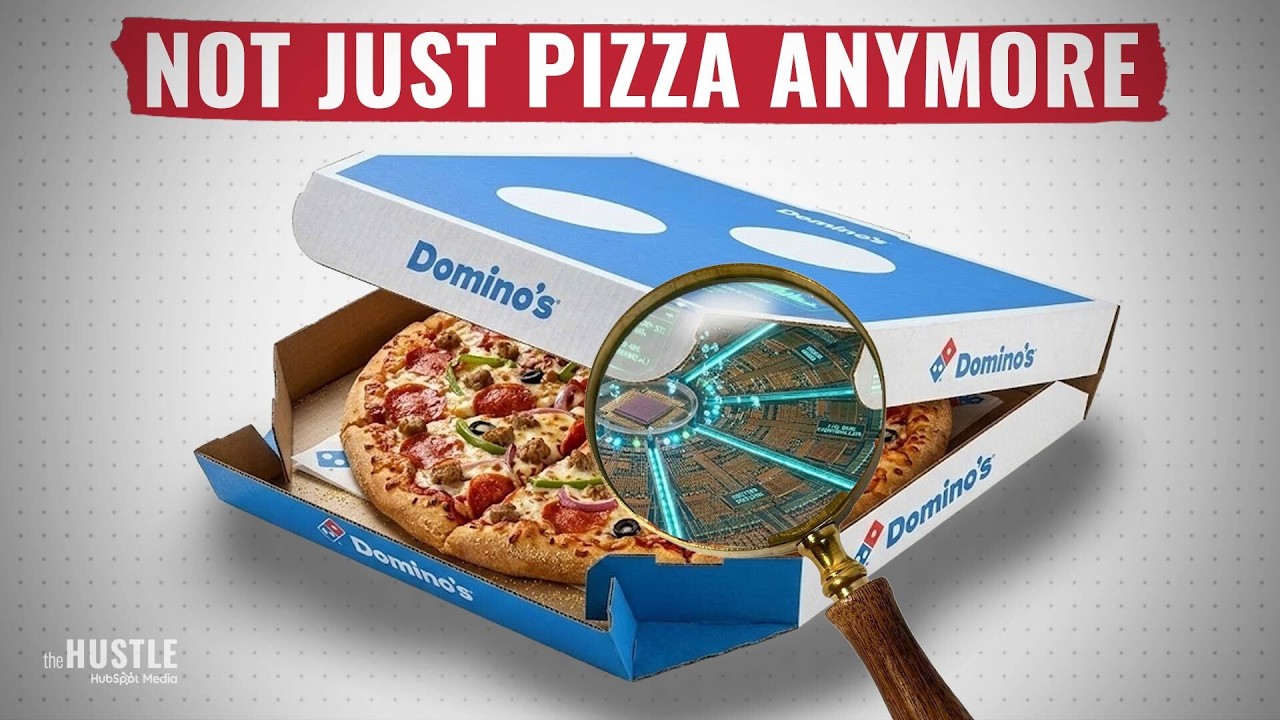
The most counterintuitive turnaround in QSR history wasn't built on better pizza—it was built on broadcasting that the pizza was terrible. Domino's outperformed Google, Amazon, and Apple during the 2010s after ranking last in taste alongside Chuck E. Cheese. The mechanism reframes what corporate transparency can accomplish strategically.
Three sequential bets compounded. Operational transparency: the 2008 Pizza Tracker exposed prep times to customers, forcing franchise discipline while generating 23% online ordering profit growth—launched one week before the Super Bowl with 20,000 game-day users. Public self-criticism: the 2009 Pizza Turnaround campaign aired customer complaints verbatim ("crust like cardboard") then committed to recipe overhaul, generating Q1 2010 same-store sales growth of 14.3%—the largest single quarter in company history. Omnichannel expansion: the 2015 AnyWare initiative enabled ordering via tweet, text, car dashboard—digital channels reached 60% of sales by 2017, 85% today.
The implication: humility scales when paired with operational follow-through—competitors who polish reputation lose to those who weaponize criticism.
Timestamps:
00:02:50 Domino's Pizza Tracker forced operational transparency on franchisees—first-mover risk paid off with 23% online ordering profit growth.
00:04:20 2009 Pizza Turnaround aired customer complaints verbatim before fixing recipe—public self-criticism became brand differentiation, not reputational suicide.
00:06:14 Q1 2010 same-store sales grew 14.3%—largest single-quarter growth in Domino's history, driven by recipe change after admitting failure publicly.
00:07:43 Digital orders averaged $2 more per ticket than phone or in-person—mobile-first strategy monetized convenience through higher basket sizes.
00:08:18 Digital channels reached 60% of sales by 2017, 85% today—AnyWare omnichannel strategy converted Domino's into an e-commerce company selling pizza.
Orlando — How To Ruin A City
Urban planning's most instructive failure: a city of 3M+ residents systematically optimized for visitors who don't vote. Orlando's dysfunction isn't accidental—it's the predictable output of strategic choices that prioritized one corporation's economic logic over municipal coherence. Disney's 1965 acquisition of 40 square miles of swampland (twice Manhattan) via shell corporations established the template.
Three mechanisms locked in decline. Privatized governance: the 1967 Reedy Creek Improvement District granted Disney sovereign authority over roads, taxes, and building codes—a private entertainment company received municipal powers within its borders. Infrastructure monoculture: Interstate 4 became the singular spine connecting Disney, Universal, downtown, and airport—nurses and tourists share identical bottlenecks because no parallel route exists. Zoning rigidity: single-use zoning separated housing, retail, and offices into car-dependent silos, then SunRail commuter rail launched without connecting either the airport or theme parks.
The implication: cities optimizing for tourist throughput forfeit residential viability—induced demand from highway expansion compounds the original error rather than resolving it.
Timestamps:
00:00:43 Disney bought 40 square miles via shell corporations in 1965—twice Manhattan's area, acquired without local landowners recognizing the buyer.
00:01:18 1967 Reedy Creek District granted Disney governmental authority over roads, taxes, and codes—private entertainment company received sovereign municipal powers.
00:03:01 I-4 became Orlando's singular spine connecting Disney, Universal, downtown, airport—no parallel route forces nurses and tourists into identical bottlenecks.
00:07:25 Induced demand math: adding highway capacity attracts more drivers until traffic returns to baseline—I-4 expansion repeats a strategy failed five times.
00:10:42 Disney's original EPCOT vision—functional transit-dense city—died with Walt; theme park replaced urban planning that could have served residents.
Zoom — From $160 Billion Pandemic Hero to 90% Stock Collapse
Zoom's collapse exposes a category-theory error that destroyed nearly $140B in market capitalization: pandemic conditions priced the company as structural infrastructure when video conferencing was always a feature, not a platform. Daily meeting participants surged 30x between December 2019 and April 2020—from 10M to 300M users—yet the demand was temporary by design.
Three mechanisms drove the unwinding. Margin compression: gross margins fell from 80% pre-pandemic to 71% as free users consumed AWS and Oracle infrastructure without revenue contribution. Failed diversification: the $14.7B all-stock Five9 acquisition collapsed September 2021 because falling Zoom stock made the offer unattractive to target shareholders—the very confidence erosion Zoom was trying to escape destroyed the currency needed to escape it. Trust erosion: FTC found Zoom misrepresented end-to-end encryption; an $85M settlement followed allegations of data-sharing with Facebook, Google, LinkedIn. By 2024 Zoom dropped "Video" from its name—the CEO himself required staff return to office.
The implication: features priced as platforms always revert—diversification windows close when stock currency collapses.
Timestamps:
00:02:00 Daily Zoom participants surged 30x in four months—10M to 300M users—creating revenue mistaken for structural rather than emergency-driven demand.
00:03:23 Gross margins fell from 80% to 71% as free users consumed AWS and Oracle infrastructure—scale without monetization compressed unit economics.
00:04:31 FTC found Zoom misrepresented end-to-end encryption—$85M lawsuit settlement followed data-sharing allegations with Facebook, Google, LinkedIn.
00:08:52 $14.7B Five9 all-stock acquisition collapsed September 2021—falling Zoom stock destroyed the currency needed to escape video conferencing dependence.
00:13:07 Zoom dropped "Video" from name November 2024; CEO required staff return to office—the product wasn't sufficient for the company that built it.
Chipotle — How $15 Bowls Bankrupt a $50B Dream
Chipotle's unraveling reveals a governance flaw obscured during ascendance: tying a 770% stock run to one executive's vision creates concentration risk indistinguishable from structural strength until the executive departs. When Brian Niccol left for Starbucks in August 2024, the stock dropped 10% immediately—and 18 months later, a third of market cap had evaporated to roughly $51B.
Two mechanisms compounded. Customer concentration: the 25-35 demographic that powered Chipotle's digital-first comeback—40% of customers earning under $100K—pulled back hardest under economic pressure, exposing that brand loyalty had always been demand-elastic. Strategic paralysis: refusing to discount preserved brand positioning but ceded the perception battle to $15-entree competitors despite Chipotle averaging $10. Q2 2025 same-store sales fell 4% versus +11% the prior year—a 15-point swing. Capital allocation worsened the picture: $2.4B in buybacks at $42.54/share into a declining stock while leadership departures continued.
The implication: CEO-dependent growth stories cannot generate vision from within once the originating executive departs.
Timestamps:
00:00:00 Chipotle stock dropped 10% the day Niccol announced his Starbucks departure—markets priced the executive, not the institution.
00:03:01 Niccol's digital-first overhaul drove 770% stock appreciation in six years—pickup shelves and mobile-app investment, not menu or rebranding.
00:06:31 Q2 2025 same-store sales fell 4% versus +11% prior year—15-point swing exposed how much growth depended on demographic-specific demand.
00:07:40 40% of customers earned under $100K; ages 25-35 pulled back hardest—the demographic that built the comeback proved most demand-elastic.
00:09:56 Chipotle bought back $2.4B in stock at $42.54 average price during 2025—capital deployed into a declining stock as forecasts cut three times.
Jump-Leap Long-Term Strategy Podcast
Recent Episode #35
You're in a strategy retreat. You see an opening to shift the conversation—a strategic insight you know could change the trajectory. You speak up with confidence. And then... blank looks. Awkward silence. The room moves on as if you hadn't spoken. This episode exposes what elite strategists do differently: they've built pattern libraries from accumulated case exposure that allow them to deploy diagnostic stories, pattern stories, and origin stories in the moment—not in PowerPoint decks afterward.